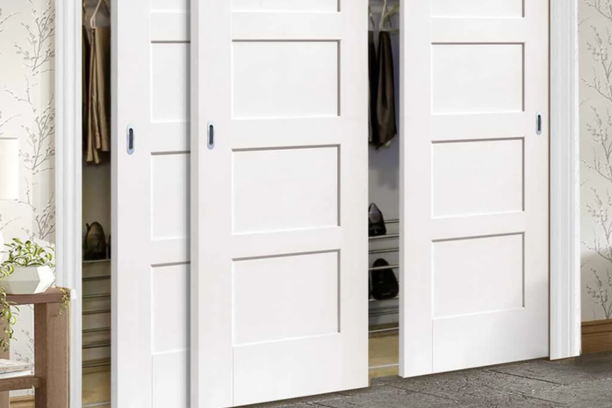
When considering sliding door weather stripping Los Angeles homeowners need, understanding local climate challenges is essential. In fact, Los Angeles experiences unique weather patterns that put constant stress on door seals. The region’s intense UV exposure, temperature swings from 50°F to 95°F, and seasonal Santa Ana winds all accelerate weather stripping deterioration. As a result, many homeowners face increased energy costs without realizing their sliding doors are the culprit.
Properly installed door seals deliver measurable benefits:
- Lower energy bills by up to 15% annually
- Improved indoor comfort with consistent temperatures
- Reduced dust and allergen infiltration
- Enhanced noise reduction from outdoor traffic
- Extended HVAC system lifespan
According to the U.S. Department of Energy, air leaks can account for 25-40% of heating and cooling costs. However, most Los Angeles homeowners overlook their sliding door seals until problems become obvious. For example, visible gaps, drafts, or rising utility bills all signal it’s time for replacement. Therefore, addressing weather stripping issues promptly protects both your comfort and your wallet.
Weather Stripping Materials for Sliding Doors
When selecting door seals, homeowners have four main material options to choose from. Each type offers different benefits for energy efficiency and durability. However, understanding the differences helps you make the right choice for your home.
Comparing Popular Materials
Foam weather stripping is the most budget-friendly option. It costs between $0.50 and $2.00 per foot. However, it only lasts 1-2 years before needing replacement. Foam compresses easily and works well for irregular gaps.
Vinyl stripping offers better durability at $1.50 to $4.00 per foot. In fact, vinyl can last 3-5 years with proper care. It resists moisture well and maintains flexibility in various temperatures.
Rubber and silicone materials provide the longest lifespan at 5-10 years. These premium options cost $3.00 to $8.00 per foot. Because they resist extreme weather, they’re ideal for coastal homes.
Felt stripping is an economical choice at $0.75 to $2.50 per foot. It lasts 2-3 years but absorbs moisture. Therefore, felt works better for interior applications than exterior doors.
| Material | Cost Per Foot | Lifespan | Best For |
|---|---|---|---|
| Foam | $0.50 – $2.00 | 1-2 years | Irregular gaps, tight budgets |
| Vinyl | $1.50 – $4.00 | 3-5 years | Moderate climates, moisture resistance |
| Rubber/Silicone | $3.00 – $8.00 | 5-10 years | Coastal areas, extreme weather |
| Felt | $0.75 – $2.50 | 2-3 years | Interior doors, low moisture |
For instance, homes near the ocean benefit from rubber or silicone materials. Meanwhile, inland properties may find vinyl sufficient. Also, consider professional sliding door installation and replacement if your door frame shows significant wear. Proper material selection reduces energy bills by up to 15% according to the U.S. Department of Energy.
Best Sliding Door Weather Stripping Los Angeles Materials
When choosing door seals, homeowners must select materials that withstand intense UV exposure and dry heat. The city receives over 280 sunny days per year, making UV resistance critical for long-lasting performance.
Top Materials for LA’s Climate
Silicone and EPDM rubber stand out as superior choices for local conditions. Silicone weather stripping resists UV degradation for 15-20 years without cracking or hardening. In addition, it maintains flexibility in temperatures ranging from -40°F to 400°F. EPDM rubber offers similar UV resistance at a lower price point, typically lasting 10-15 years in direct sunlight.
For example, both materials protect against:
- UV ray damage and sun exposure
- Extreme temperature fluctuations
- Dust and debris infiltration
- Energy loss through gaps
According to the EPA’s sun safety guidelines, UV exposure causes material breakdown over time. Therefore, choosing UV-resistant materials saves money on replacements.
Materials to Avoid
However, some common options fail quickly in Los Angeles conditions. Foam weather stripping deteriorates within 1-2 years under constant sun exposure. Similarly, vinyl-based products become brittle and crack. Felt weather stripping absorbs moisture during rare rainy periods and promotes mold growth.
Cost Considerations
Notably, quality materials cost more upfront but reduce long-term expenses. Silicone strips range from $15-30 per door, while EPDM costs $8-20. In contrast, cheap foam options require replacement every year, increasing overall costs. For complete repair estimates, review our guide on sliding door repair cost Los Angeles.
Finally, professional installation ensures proper sealing and maximum lifespan. Specifically, experts measure gaps accurately and select appropriate thickness for optimal performance in Southern California’s unique climate conditions.
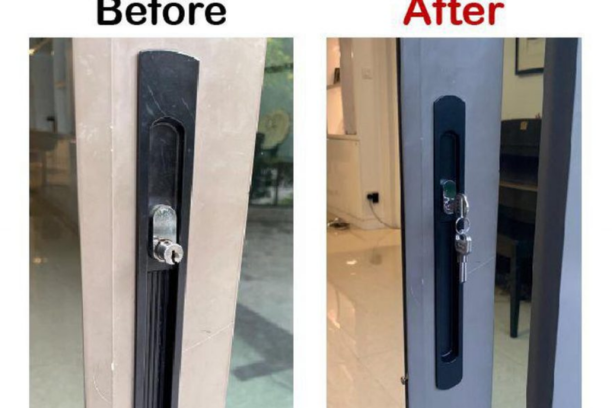
DIY Installation Steps
When considering door seal installation, homeowners often wonder if they can handle the project themselves. In fact, installing new seals is one of the easier home improvement tasks. However, you need the right tools and a clear plan to get good results.
Essential Tools and Materials
First, gather everything you need before you start. This saves time and prevents frustration. You will need:
- Utility knife or scissors
- Measuring tape
- Screwdriver set
- Cleaning supplies (soap, water, cloth)
- New weather stripping material
- Adhesive (if not self-stick)
For example, most projects take 1 to 2 hours to complete. Therefore, set aside enough time to work without rushing.
Step-by-Step Installation Process
Step 1: Remove Old Stripping
Start by taking out the worn material. Specifically, pull it away from the door frame carefully. Next, scrape off any leftover adhesive with your utility knife.
Step 2: Clean the Surface
Because dirt blocks proper adhesion, clean all surfaces thoroughly. Use soapy water and let everything dry completely. This step takes about 15 minutes but makes a big difference.
Step 3: Measure and Cut
Measure each side of your door frame twice. Then cut your new stripping to match. In addition, add an extra inch to each piece for overlap.
Step 4: Apply New Stripping
Press the material firmly into place along the frame. Similarly, make sure there are no gaps or bubbles. Work slowly from top to bottom on each side.
Common Mistakes to Avoid
However, many DIY attempts fail due to simple errors. Notably, using the wrong type of stripping for your climate causes problems. Also, skipping the cleaning step leads to poor adhesion.
On the other hand, if your door has track damage, weather stripping alone won’t fix the issue. In contrast, professional track repair services address underlying problems. For more guidance, check out this helpful home improvement resource from This Old House.
Professional Sliding Door Weather Stripping Los Angeles Services
When considering door seal installation, homeowners often wonder whether to tackle the job themselves or hire a professional. However, the decision depends on several factors including skill level, time, and the condition of your door.
DIY vs. Professional Installation
| Factor | DIY | Professional |
|---|---|---|
| Cost | $15-$50 materials | $150-$400 total |
| Time | 2-4 hours | 1-2 hours |
| Tools Needed | Measuring tape, scissors, adhesive | All tools provided |
| Warranty | None | 1-2 years typical |
| Quality | Varies by skill | Guaranteed results |
Choosing the Right Contractor
First, verify that any contractor holds proper licensing through the California Contractors State License Board. In addition, check their standing with the Better Business Bureau to ensure reliability. For example, look for contractors with at least 5 years of experience in door repair services.
Also, request quotes from at least three providers. Specifically, ask about:
- Material quality and brand names
- Installation timeline and scheduling
- Warranty coverage details
- References from recent clients
What to Expect During Service
Professional door sealing services typically begin with a thorough inspection. Next, technicians remove old, worn stripping and clean the door frame completely. Because proper surface preparation is critical, this step takes 20-30 minutes.
Finally, experts install new weather stripping using commercial-grade adhesives. The entire process usually takes 60-90 minutes per door. As a result, you’ll notice immediate improvements in energy efficiency and noise reduction.
Cost Considerations
Professional installation costs range from $150 to $400 per door. However, this investment pays off through reduced energy bills. In fact, proper weather stripping can cut heating and cooling costs by 10-15% annually.
Ready to improve your home’s comfort? Contact our team for a free estimate on weather stripping services. Meanwhile, explore our other sliding door services to address any additional needs.
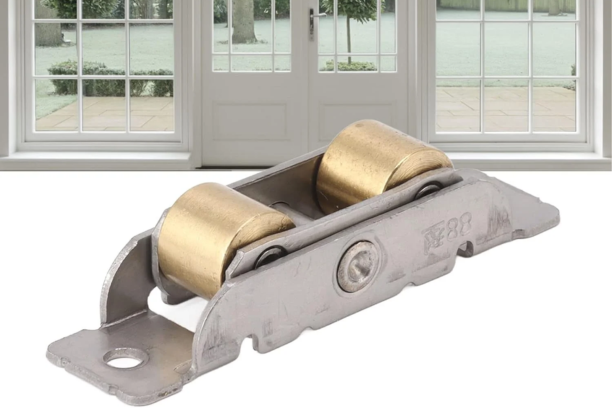
Cost Analysis and Return on Investment
When considering door seal upgrades, homeowners invest between $150 and $400 for professional installation. However, the returns far exceed this initial expense. In fact, proper weather sealing can reduce energy bills by 10-20% annually.
Understanding Your Investment
The total cost depends on several factors. First, door size plays a major role in pricing. Also, material quality affects both upfront costs and longevity. For example, silicone and EPDM rubber strips last 5-10 years longer than basic foam options.
Professional installation typically includes:
- Labor and service call fees
- High-quality sealing materials
- Door adjustment and cleaning
- Performance testing after installation
Calculating Your Savings
Energy savings add up quickly. For instance, a typical Los Angeles home spending $200 monthly on heating and cooling can save $20-40 per month with proper weather stripping. Therefore, most homeowners recover their investment within 12-18 months.
In addition, weather stripping provides benefits beyond energy savings:
- Reduced dust and allergen infiltration
- Lower noise from outside traffic
- Decreased wear on HVAC systems
- Enhanced home comfort year-round
Long-Term Value Considerations
Similarly, properly sealed doors increase property value during resale. Notably, energy-efficient upgrades appeal strongly to California buyers. Meanwhile, preventing air leaks protects your door frame from moisture damage that costs thousands to repair.
Finally, combining weather stripping with other sliding door maintenance services maximizes your return. As a result, many homeowners schedule comprehensive door tune-ups that address multiple issues simultaneously. This approach delivers better performance and greater savings over time.
According to Energy Star, homes with proper sealing can save up to $200 annually on energy costs. Therefore, the investment in quality weather stripping makes financial sense for most Los Angeles homeowners.
FAQ: Sliding Door Weather Stripping Los Angeles
Protect Your Home and Save on Energy Bills
Proper door sealing can reduce energy costs by up to 20% annually. Your doors deserve professional attention to maintain comfort and efficiency.
Key benefits include:
- Lower monthly utility bills
- Improved indoor temperature control
- Reduced outside noise and dust
- Enhanced home security
Before scheduling service, check for visible gaps, drafts, or worn strips. Also, test your door’s seal by holding a candle near the edges. Finally, contact our team for expert sliding door weather stripping Los Angeles services that deliver lasting results. We provide free inspections and same-day repairs throughout the region.