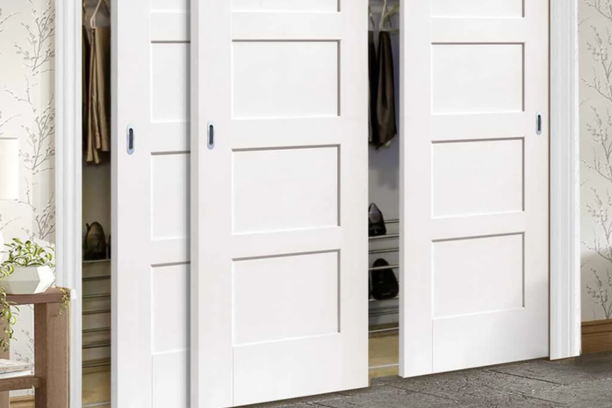
Sliding door installation Ventura homeowners rely on must stand up to a unique set of challenges. Ventura sits right on the Southern California coast, where salt air, marine humidity, and strong seasonal winds put constant stress on doors and frames.
These conditions aren’t just cosmetic concerns. In fact, corrosion from salt air can degrade hardware, warp tracks, and weaken seals far faster than in inland areas. A poorly installed door won’t just stick — it can become a security risk and an energy drain.
For a deeper look at what a quality door upgrade can do for your home, check out our guide on the benefits of installing a new sliding door.
Why Ventura Homes Need Professional Installation
DIY door projects might seem like a smart way to save money. However, improper installation often leads to bigger problems down the road.
Common issues from poor installation include:
- Misaligned frames that cause drafts and energy loss
- Corroded or loose rollers that make the door hard to open
- Weak seals that let moisture into your walls
- Security gaps that compromise your home’s safety
According to the U.S. Department of Energy, air leaks around doors and windows can account for 25–30% of home heating and cooling energy use. A tight, professional install helps you avoid that waste.
Why Ventura Properties Need a Specialist
Ventura homes — especially those near the beach — need hardware rated for coastal exposure. Professional installers know which materials hold up against salt and humidity.
Also, local building codes matter. Ventura County has specific requirements for door installations, and licensed pros ensure your project meets every standard. In our experience, homes within a mile of the Pacific shoreline see hardware wear at roughly twice the rate of inland properties — making material selection critical from day one.
Simply put, professional installation protects your investment, your comfort, and your home’s long-term value.
What the Sliding Door Installation Ventura Process Looks Like
Sliding door installation Ventura homeowners rely on follows a clear, step-by-step process — and knowing what to expect helps you plan with confidence.
Step 1: On-Site Assessment
First, a technician visits your home to measure the opening and inspect the existing frame. This step is critical. Even small measurement errors can cause air leaks, misalignment, or hardware failure down the road.
The tech will also check for:
- Structural damage around the frame or sill
- Water intrusion or rot common in coastal Ventura climates
- Level and plumb of the rough opening
Step 2: Frame Prep and Old Door Removal
Next, the old door or frame is carefully removed. However, this isn’t just a simple pull-and-go task. The crew protects your flooring and interior walls throughout removal.
Any damaged framing gets repaired before the new unit goes in. Skipping this step is one of the top reasons DIY installs fail within the first year.
Step 3: New Door Installation
The new door unit is set, shimmed, and secured to the framing. Specifically, technicians check for smooth roller operation, proper track alignment, and a weathertight seal.
For a deeper look at what this service covers, visit our sliding door installation and replacement page.
Step 4: Hardware, Sealing, and Final Inspection
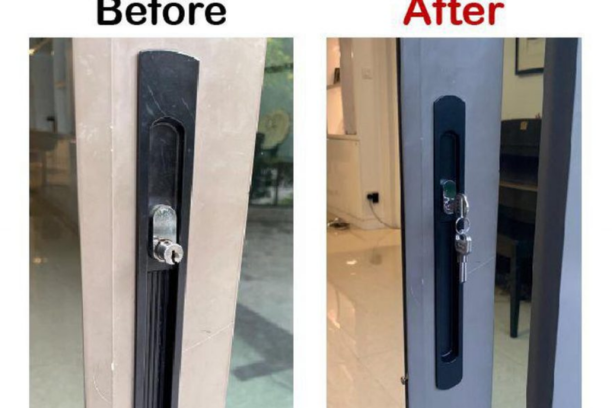
Finally, handles, locks, and screens are installed and tested. The team applies weatherstripping and exterior caulk to block Ventura’s marine air and moisture.
A final inspection confirms:
- The door glides smoothly without resistance
- The lock engages fully on the first try
- No visible gaps exist along the frame
Also, if your rollers or track show wear, technicians may recommend roller replacement at the same visit — saving you a second service call later.
The whole process typically takes 2 to 4 hours for a standard single-panel unit.
Door Types and Styles for Ventura Properties
Ventura homes have a distinct character — coastal breezes, open layouts, and plenty of natural light. Choosing the right door style matters just as much as the quality of installation. The wrong door type can trap heat, corrode quickly, or simply look out of place.
Glass and Frame Options
The frame material you choose affects both performance and longevity. Ventura’s salt air is tough on certain materials, so this decision is critical.
- Vinyl frames — Low maintenance, moisture-resistant, and a smart choice for coastal exposure
- Aluminum frames — Sleek and modern. However, they can corrode near the ocean without a proper anodized coating
- Fiberglass frames — Upper-tier durability with excellent insulation. Ideal for homes close to the shoreline
- Wood frames — Beautiful and classic. In contrast, they require regular sealing to survive Ventura’s humid air
For glass, look for double-pane or low-E glass. These options reduce heat transfer and improve comfort year-round in the Southern California climate.
Popular Door Styles in Ventura
Ventura properties range from mid-century bungalows to modern coastal builds. For example, here are the most popular sliding door styles in the area:
- Traditional sliding glass doors — Two panels, one fixed and one moving. Simple and reliable
- Pocket doors — Slide into the wall cavity. Specifically, great for smaller rooms where floor space is tight
- Multi-panel stacking doors — Open up an entire wall. Perfect for indoor-outdoor living
- Bypass closet doors — Also useful inside the home for bedrooms and storage areas. Learn more about sliding closet repair options
Matching Style to Your Home
Finally, consider your home’s architecture before committing to a style. A multi-panel door suits an open-concept layout. However, a traditional two-panel door works well for most standard openings. Explore the full range of sliding door installation and replacement services to find the best fit for your property.
Installation vs. Replacement — Which Option Is Right for You?
Choosing between a fresh install and a full replacement can feel overwhelming. However, the right answer depends on a few key factors — your door’s age, condition, and how well it fits your home’s current layout.
Signs You Need a Full Replacement
Sometimes, repairs simply aren’t enough. For example, if your door frame is warped, rotted, or structurally compromised, patching it will only delay the inevitable.
Look for these red flags:
- Frame damage that goes beyond surface wear
- Repeated roller or track failures despite prior repairs
- Outdated single-pane glass that drives up energy use
- Poor fit due to a home renovation or addition
When Repair or Partial Installation Makes Sense
On the other hand, not every problem calls for a brand-new door. If your frame is solid and the glass is intact, targeted component work may restore full function at a lower cost tier.
Not sure which path fits your situation? Our guide on how to tell if it’s time to repair or replace your sliding door walks through the decision step by step.
Making the Final Call
First, have a professional assess the frame, rollers, track, and glass together. Because each component affects the others, a single weak point can mislead a DIY diagnosis.
Key questions to ask before deciding:
- Is the door frame structurally sound?
- How old is the existing glass unit?
- Has the door needed repeated service calls?
- Does the current size still fit your space?
For a qualified, honest recommendation, visit our sliding door installation and replacement services page. Also, if you notice your door is already hard to operate, read our resource on what causes a sliding glass door to be hard to open before scheduling service.
Sliding Door Installation Ventura: Cost Factors and What Drives Value
Understanding what shapes your door project budget helps you make smarter choices. Several key factors influence the final investment level — and knowing them upfront saves surprises.
What Affects Your Project Cost
Every home is different. However, most door projects are shaped by a handful of consistent variables:
- Door size and weight — Larger, heavier panels require more labor and stronger hardware
- Frame condition — Rotted or warped frames add prep work before installation begins
- Glass type — Low-E, tempered, or impact-resistant glass sits at a higher tier than standard options
- Number of panels — Multi-panel systems cost more than a basic two-panel setup
- Accessibility — Tight spaces or second-floor installs increase labor time
Project Tier Comparison
| Project Scope | Tier Level | Typical Scope | Key Factors |
|---|---|---|---|
| Basic single-panel swap | Entry-tier | Standard opening, vinyl frame, single-pane glass | Minimal frame prep needed |
| Mid-range residential | Standard-tier | Double-pane glass, aluminum or vinyl frame, standard hardware | Minor frame repairs may apply |
| Coastal-rated upgrade | Mid-tier | Low-E glass, anodized aluminum or fiberglass frame, premium rollers | Salt-air-resistant materials |
| Full custom install | Upper-tier | Multi-panel stacking, fiberglass frame, impact glass, smart locks | New opening or structural work |
| Premium coastal build | Premium-tier | Floor-to-ceiling glass, custom frame finish, high-security hardware | Full frame build-out |
Energy Savings Add Real Value
A quality door pays you back over time. In fact, ENERGY STAR confirms that upgrading to certified sliding glass doors can produce meaningful annual savings on heating and cooling. For Ventura’s coastal climate, that adds up fast.
Also, California residents may qualify for rebates through local utility programs. It’s worth checking with Southern California Edison before your project starts.
Don’t Overlook Long-Term ROI
A premium-tier door installation isn’t just an expense — it’s an investment. Better hardware, tighter seals, and quality rollers mean fewer repairs down the road.
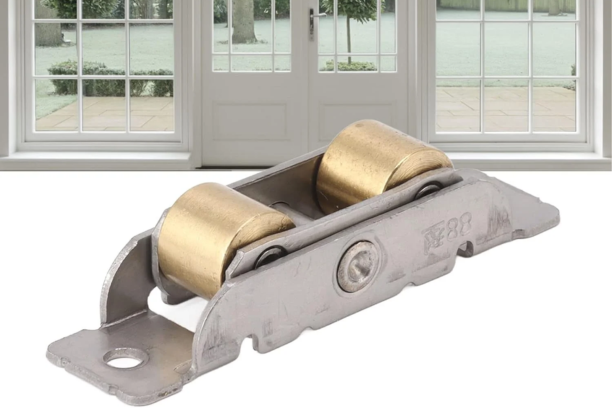
For example, worn rollers and damaged tracks are among the most common repair calls we see. Learn more about roller replacement services and how proper installation prevents early wear.
You can also explore the full benefits of installing a new sliding door to see how value stacks up across comfort, security, and resale appeal.
FAQ & Conclusion
Frequently Asked Questions
About This Guide
This guide was researched and drafted with AI assistance, then reviewed for accuracy by the Business in your area team. Information reflects local conditions in Los Angeles. Last updated July 2026. For questions specific to your situation, contact us directly.