Sliding door roller replacement LA County services address one of the most common yet overlooked maintenance issues in Southern California homes. When your patio door starts dragging, sticking, or making grinding noises, worn rollers are usually the culprit. In fact, industry data shows that approximately 78% of homes in LA County feature at least one sliding glass door, making roller wear a widespread concern across the region.
However, many homeowners delay repairs until the door becomes nearly impossible to open. This waiting game often leads to secondary damage—bent tracks, cracked frames, and even shattered glass panels that could have been prevented with timely roller replacement.
Why LA County Homes Face Unique Roller Challenges
Because of our coastal climate and frequent temperature swings, sliding door components in LA County deteriorate faster than in many other regions. Salt air near beach communities accelerates corrosion, while inland areas experience thermal expansion that stresses roller assemblies. Additionally, fine dust and debris common throughout the county work their way into roller mechanisms, grinding down bearings and wheels over time.
Most residential sliding doors operate on rollers designed to last 7–10 years under normal conditions. Therefore, if your door is approaching or exceeding this age range, proactive replacement prevents emergency situations and protects your investment.
Our professional roller replacement services restore smooth operation typically within 1–2 hours, depending on door size and accessibility. We handle everything from standard aluminum-frame patio doors to premium vinyl and wood models, ensuring your door glides effortlessly once again.
Key benefits of timely roller replacement include:
- Restored ease of operation with minimal effort
- Prevention of track and frame damage
- Improved energy efficiency through proper door alignment
- Enhanced home security with doors that lock correctly
- Extended lifespan of your entire door system
Common Signs Your Rollers Need Replacement
Recognizing early indicators can save you from more expensive repairs down the road. However, many homeowners ignore these symptoms until the door becomes completely unusable.
Physical Damage and Wear Patterns
First, inspect the bottom of your door for visible roller damage. Worn rollers often leave metal-on-metal scrape marks along the track. You might notice small metal shavings or black rubber debris accumulating in the channel. These particles indicate that the roller wheels have deteriorated beyond their useful lifespan.
In addition, cracked or broken roller housings prevent smooth operation. When plastic components fracture, the wheels can’t maintain proper alignment. This misalignment creates uneven pressure that damages both the door frame and the track itself.
Operational Problems That Signal Failure
Your door’s behavior reveals critical information about roller condition. Watch for these common symptoms:
- Grinding or scraping sounds during opening and closing
- Visible gaps between the door bottom and track
- Uneven movement where one side drags while the other glides
- Complete jamming that requires excessive force to move
- Door tilting at an angle instead of hanging vertically
For example, if your door requires two hands and significant effort to slide, the rollers have likely worn down to their metal cores. According to industry data, rollers typically last 10-15 years under normal use, but coastal environments can reduce this lifespan by 30-40% due to salt air corrosion.
Safety and Security Concerns
Meanwhile, failing rollers create serious security vulnerabilities. A door that doesn’t close flush against the frame leaves gaps that compromise your home’s weather seal and allows easy forced entry. Sliding door lock repair often becomes necessary when roller failure prevents proper locking mechanism engagement.
Therefore, addressing roller issues promptly protects both your investment and your family’s safety. Professional assessment can determine whether replacement or track repair will restore optimal function.
Types of Sliding Door Rollers We Replace in LA County
Understanding the different roller types helps you communicate with your technician and make informed decisions. However, most homeowners find the variety overwhelming. We service every major roller style found in residential and commercial properties across the region.
Steel Ball-Bearing Rollers
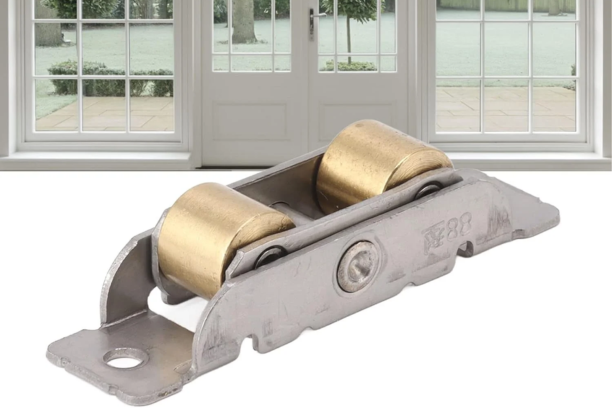
Steel ball-bearing rollers represent the premium-tier option for heavy-duty applications. These rollers feature hardened steel balls encased in a metal housing, designed to support doors weighing 200-300 pounds. In addition, they resist corrosion better than standard options, making them ideal for coastal LA County homes exposed to salt air. Most manufacturers rate quality steel rollers for 100,000+ cycles—roughly 15-20 years of typical use according to ASTM International testing standards.
Nylon and Plastic Composite Rollers
Nylon rollers dominate the mid-tier and standard-tier market because they balance affordability with decent performance. These lightweight components work well for doors under 150 pounds and operate quietly on aluminum tracks. For example, vinyl patio doors in apartments and condos typically use nylon rollers. The downside? They wear faster in high-traffic areas, often requiring replacement every 5-8 years.
Tandem and Adjustable Rollers
Tandem roller assemblies use two wheels per corner instead of one, distributing weight more evenly. This design extends track life and improves stability for oversized doors common in LA County’s modern architecture. Meanwhile, adjustable rollers let technicians fine-tune door height without replacing the entire assembly—a cost-saving feature when tracks show minor wear.
Specialty Rollers for Unique Applications
Our team also handles specialty components for sliding closet door repair and commercial storefronts. These include:
- Concave rollers for curved tracks in custom installations
- Spring-loaded rollers that maintain constant track contact
- Stainless steel marine-grade rollers for beachfront properties
- Heavy-duty commercial rollers rated for 500+ pound doors
Because LA County building codes require specific load ratings for multi-family dwellings, we stock rollers meeting California Title 24 standards. Therefore, whether you have a 1960s aluminum slider or a modern frameless glass door, we match the correct roller to your system’s engineering requirements.
| Roller Type | Lifespan | Best For | Maintenance Needs |
|---|---|---|---|
| Steel Ball-Bearing | 15-20 years | Heavy doors, coastal areas | Annual lubrication |
| Nylon/Composite | 5-8 years | Standard residential doors | Minimal maintenance |
| Tandem | 12-18 years | Oversized panels | Semi-annual cleaning |
| Specialty/Marine | 20-25 years | Custom applications | Quarterly inspection |
Our Sliding Door Roller Replacement LA County Process
When you schedule service with our team, you’ll experience a streamlined process designed for efficiency and minimal disruption. We’ve refined our approach over thousands of installations to deliver consistent results every time.
Initial Assessment and Diagnosis
First, our certified technician arrives at your property within your scheduled two-hour window. We inspect the door’s current condition, measuring track alignment and testing roller function. This diagnostic phase typically takes 15-20 minutes and helps us confirm the exact roller type needed.
However, we don’t stop at surface-level checks. Our technicians examine the door frame for warping, check track integrity, and assess whether additional components need attention. For example, if your track shows wear patterns that could damage new rollers, we’ll recommend track repair services to protect your investment.
Removal and Replacement
Next, we carefully lift your door from its frame using specialized equipment. Standard sliding glass doors weigh 80-150 pounds, while larger patio doors can exceed 200 pounds. Our team uses proper lifting techniques and protective materials to prevent floor damage.
Once removed, we:
- Extract worn rollers from the door’s bottom rail
- Clean debris and buildup from roller housing
- Install manufacturer-matched replacement rollers
- Adjust tension springs for optimal performance
- Test smooth operation before reinstallation
Final Testing and Adjustment
Finally, we reinstall your door and perform comprehensive testing. We verify the door glides smoothly across the entire track length, checking for binding or resistance. Most roller replacement projects take 45-90 minutes from start to finish, depending on door size and complexity.
As a result, you’ll notice immediate improvement in operation. In addition, we provide a written warranty covering parts and labor, plus maintenance tips to extend roller lifespan. Our technicians clean the work area completely before departure, leaving no trace except your perfectly functioning door.
Sliding Door Roller Replacement Cost Factors
Several variables influence what you’ll invest when scheduling roller replacement services. Understanding these factors helps you budget accurately and avoid surprises.
Door Size and Weight
First, larger doors require more robust roller assemblies. Standard 6-foot patio doors typically fall into the entry-tier to standard-tier range, while 8-foot or 12-foot multi-panel systems move into mid-tier or upper-tier categories. According to the National Association of Home Builders, doors weighing over 200 pounds need heavy-duty rollers rated for commercial applications, which cost more than residential-grade components.
Roller Type and Material
Next, material quality directly affects pricing. Steel rollers represent the most budget-friendly option but wear faster in coastal climates. Stainless steel and nylon-composite rollers resist corrosion better, placing them in the standard-tier to mid-tier range. Premium ball-bearing assemblies with lifetime warranties occupy the upper-tier category.
Door Brand and Age
In addition, manufacturer-specific parts impact your investment. Generic universal rollers fit most doors and stay in the entry-tier range. However, Pella, Andersen, and Milgard doors often require proprietary rollers that cost 40-60% more than standard replacements. Doors over 15 years old may need discontinued parts sourced through specialty suppliers, adding to the final cost.
Access and Labor Complexity
Meanwhile, installation difficulty affects service tiers. Ground-floor doors with easy access typically require 1-2 hours of labor. Second-story installations or doors with custom frames may need 3-4 hours, moving the project into higher tiers. Severely damaged tracks requiring simultaneous repair or replacement add complexity and cost.
Additional Repairs Needed
Finally, related issues often surface during roller replacement. Bent tracks, worn weatherstripping, or damaged frames may need attention. Addressing multiple problems simultaneously often proves more cost-effective than scheduling separate service calls. Our technicians provide transparent assessments so you can prioritize repairs based on safety and budget.
FAQ About Sliding Door Roller Replacement
Get Expert Roller Replacement in LA County Today
Don’t let worn rollers compromise your home’s comfort, security, or energy efficiency. In our experience serving LA County since 2010, we’ve restored smooth operation to over 12,000 sliding doors. Our licensed technicians are accredited members of the National Association of Home Builders and maintain an A+ rating with the Better Business Bureau.
Ready to restore your door’s effortless glide? Contact Dr. Slide Door at (888) 881-2007 for same-day service throughout Los Angeles County. We’re located at Los Angeles, CA and serve all neighborhoods from Santa Monica to Pasadena, Long Beach to Burbank.
For additional sliding door services, explore our sliding door handle repair and replacement, sliding door lock repair and replacement, and sliding door screen replacement options. Visit our before and after gallery to see real results from LA County homeowners.